Thursday, November 30

Friday Photography | Our Daily Bread & Manufactured Landscapes

Friday Photography enters the realm of moving pictures this Friday with two films meditating on our industrial interventions on the natural environment.

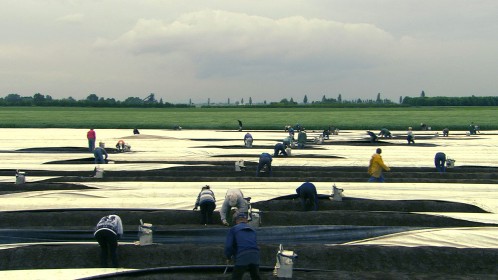
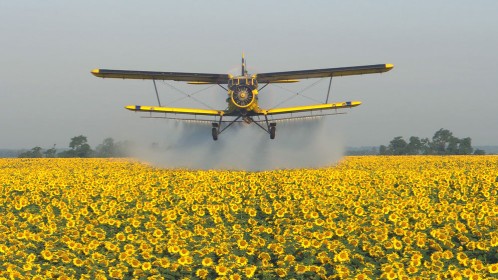
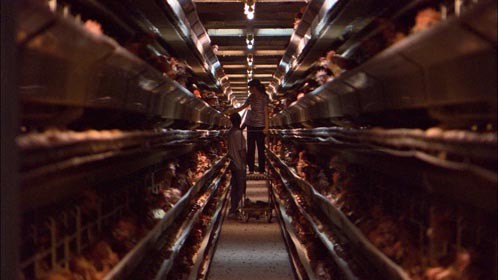
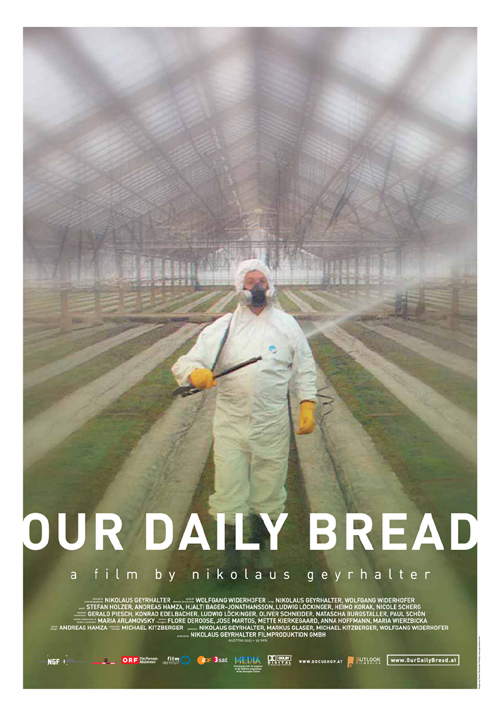
Our Daily Bread is a new film by director Nikolaus Geyrhalter. Described as a "meticulous and high-end film experience", the movie has no spoken prompts and no story line, just 21st century industrial agriculture at work. So far it doesn't look like there is a release planned for the Twin Cities (this makes me sad). Click here for a list of American release dates. [via Pruned]


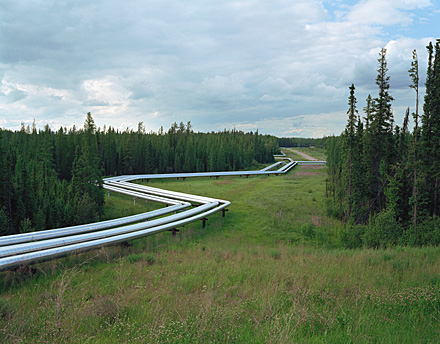
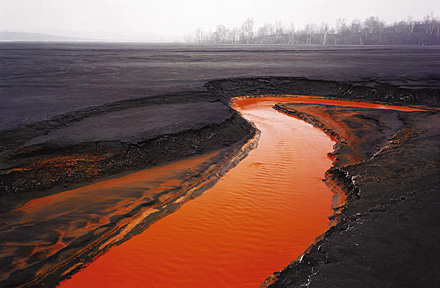
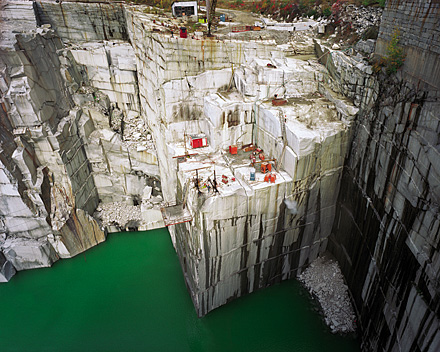
Manufactured Landscapes is a film by director Jennifer Baichwal about the life and work of photographer Edward Burtynsky. A BLYGAD favorite, Burtynsky's photographs are at once horrific, stunningly beautiful, and completely alien. You won't see your world the same way after spending time with his work. I can't wait to see his photographs on the big screen. Zeitgeist Films is has a US release planned for Summer 2007.


For more reading on industrial agriculture and more generally, the fascinating topics of eating, food, & where food comes from, see:

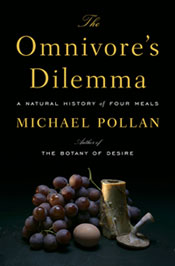
The Omnivore's Dilemma: A Natural History of Four Meals by Michael Pollan


Happy Friday!

Tuesday, November 21

Reality Tourism

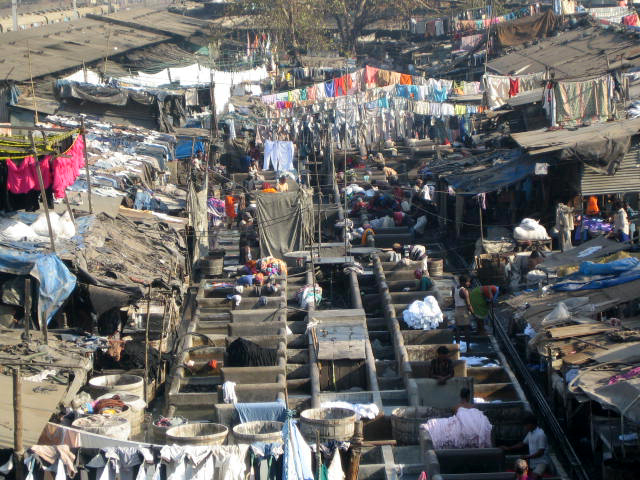
Continuing our series of tourism themed posts (here and here), Sandra from AFH San Diego drew my attention to a group called Reality Tours. Based out of Mumbai, India, Reality Tours offers 2 hour walking "Slum Tours" of the nearby city of Dharavi.


"In these small alleys, you will see why Dharavi is the heart of small scale industries in Mumbai (annual turnover is approximately US$ 665 million) and on the tour we show you a wide range of these activities- from making clay pots and leather bags to recycling plastic." - Reality Tours


The idea of a reality tour is not a new one. In 1989 a group called Global Exchange began with the idea that travel could be educational, fun, and positively influence international affairs. In their model, "... travelers are linked with activists and organizations from around the globe who are working toward positive change. We also hope to prompt participants to examine related issues in their own communities." Global Exchange sets each 7 to 14 day trip around a specific issue and focuses events around providing a view of the issue beyond what is communicated through mainstream media.

This type of trip offers a social exchange that you just can't get in a 2 hour walking tour, but both programs try to create a socially responsible experience, and both have been fairly well received in the international press.

Related Posts:
The Evolution of Eco-Tourism?
Friday Photography | Chernobyl Tourism

Saturday, November 18

Curbly.com | Love Where You Live

The only thing better then learning about something new is when it turns out to be not only cool, but local. That's why it's with much Twin City pride that I'd like to tell you about a new online community called Curbly.


According to co-founder Bruno Bornsztein, Curbly is a place where "people can share the creative stuff they've done with their homes, find inspiration for home-improvement projects, and get advice from experts."

Even as a fairly new website, they already have a ton of user-generated content: "The $3 Table", "Simple, Sustainable Living - 5 Easy Steps", "Kitsch Me Baby", and a multitude of other DIY tutorials drew me in instantly.


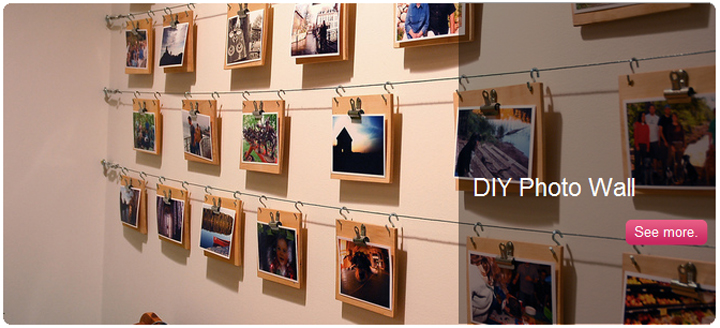
The DIY Photo Wall by Ben Edwards | just one of the many DIY tutorials at Curbly

All this on top of finally satisfying my voyeuristic fantasy of being able to peer into the living-rooms, bedrooms, bathrooms, and kitchens of complete strangers... Perfect!


So check it out, and keep your heads up for future Curbly/AFHMN collaborations.

Friday, November 17

Friday Photography | Taiji Matsue & Murmansk Garage Culture

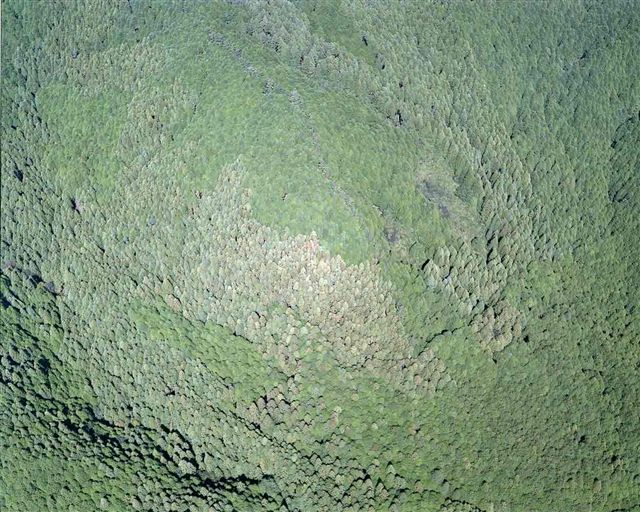
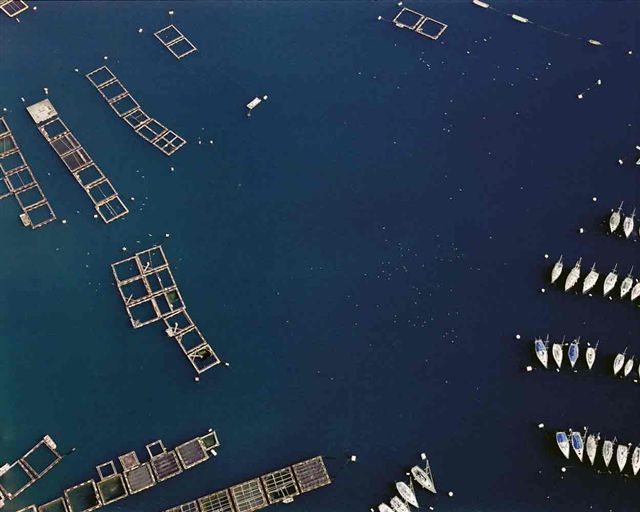
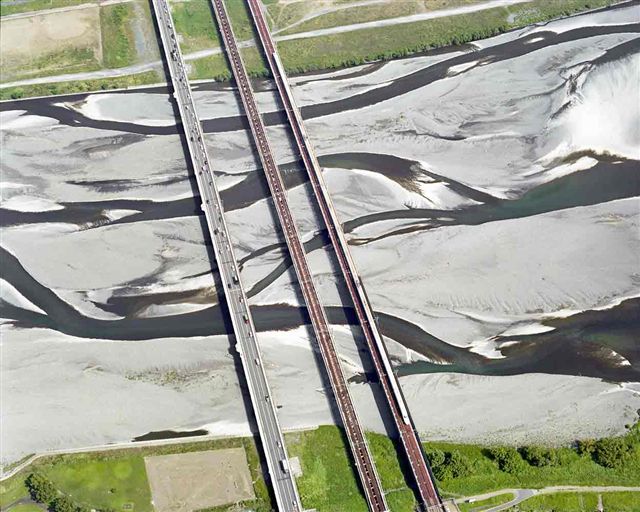
Only furthering my fascination with aerial photography, I discovered Taiji Matsue's work over at Pruned a couple of days ago. Described as "pieces from the surface of the earth", these beautiful compositions and many more can be found at L.A. Gallerie.


More information on Taiji:
artnet | take art collection | a biography

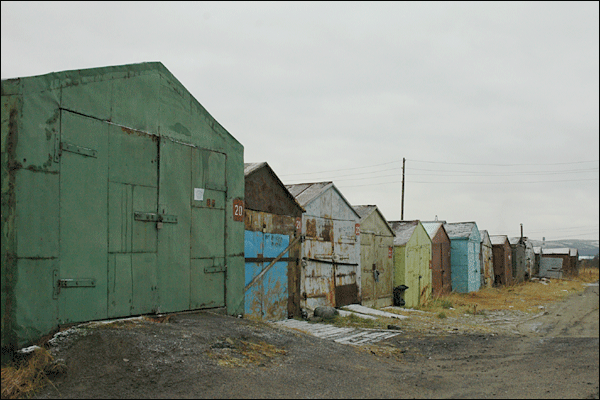
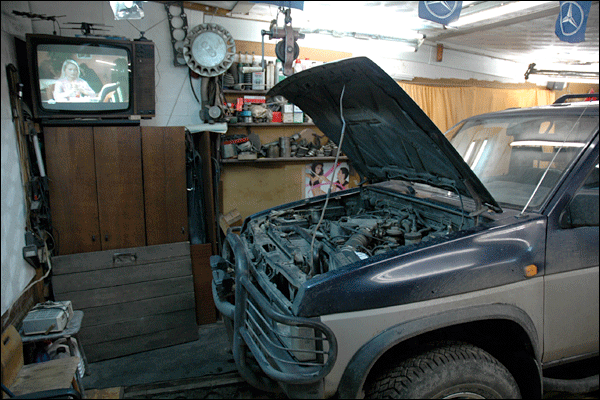
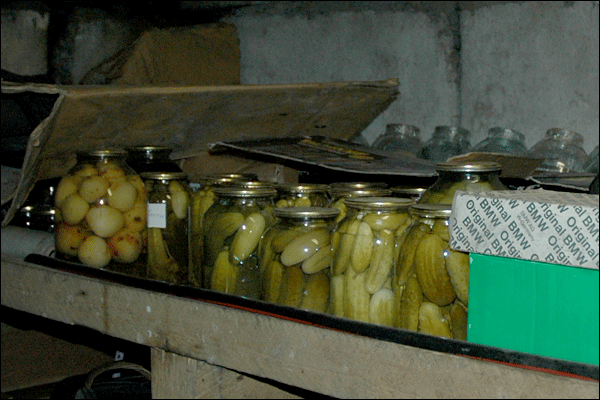
These great shots of garages in Murmansk, Russia were found on the BBC, In Pictures. Apparently there is a whole garage culture consisting of men, cars, and apparently… pickles. But what makes this unique is that these garages are all located in the a kind of garage-city located far away from the apartment blocks the men live in and therefore, one can only assume, the cares of everyday life. Their owners call them their 'sea shells'.


See the whole set, with commentary by the perplexed women of Murmansk, here. (Thanks Chris!)

Happy Friday!

Thursday, November 9

"Nature of Change" an Interdisciplinary Performance Art Benefit for Architecture for Humanity: Minnesota


AFHMN is happy to announce:

“Nature of Change” an Interdisciplinary Performance Art Benefit for Architecture for Humanity: Minnesota

Sunday, November 12, 2006 7:00pm – 8:30pm
$5 suggested donation
at The Center for Happiness
2645 SE 4th Street, Minneapolis, MN, 55414

Presented by The Center for Happiness & Project Educate, Entertain and Empower (Project EEE)… This performance is the culmination of a workshop at the Center for Happiness where participants shared, improvised, collaborated and experimented, interweaving meditation, movement, sound, visual arts, text, theatre and light focusing on the theme “Nature of Change”

The artists will present a series of short abstract vignettes, like visual poetry, to share their discoveries with the audience while inviting them to explore the theme in their own lives, providing a connection between entertainment and socio-political theatre.

With roots in both cabaret and Japanese style butoh (pictured above), the performance promises to be entertaining & provocative. And of course, all proceeds are going to a worthy cause.

Hope to see you there!

Wednesday, October 25

Massive Monthly | October

In an effort to keep BLYGAD readers in the AFH 'know', I'm rolling out the Massive Monthly, a monthly Architecture for Humanity news update that will usually correspond with the AFH monthly newsletter (of course, you could always just go straight to the source and sign up for the newsletter). So, with little time to waste, and a massive amount of news to cover, let's jump in:

AFH LOCAL CHAPTER NEWS
We're happy to welcome three new AFH local chapters to the family: Venice Beach California, Ames Iowa, and Austin Texas. In other chapter news, AFH San Francisco has a new website and is recruiting members. And, as always, You can find links to all of the AFH Local Chapters with a web presence in the sidebar to the right.

AFH INTERNATIONAL NEWS - THE OPEN ARCHITECTURE NETWORK
The Open Architecture Network is an idea on the grandest scale, it's also quite a mouthful to try and describe so I'm going to leave it up to the man behind it all, Cameron Sinclair:

"Since winning the TED Prize in March we've been working with a number of technology companies to develop a new community and gathering place for those interested in improving the built environment to collaborate, implement and research sustainable innovative projects and practices around the world. Architects, community groups, international NGOs and others could post their own projects, search and review the work of others, contribute to shared resources, collaborate with each other and access project management tools to help implement projects in the field. As a place that helps turn ideas into realizable projects, we are also looking into building user-generated content, materials, technologies, building codes, contracts and other resources. Coupled with this is an open licensing system developed through Creative Commons. We imagine a site that not only helps create, support and implement ideas, but also a place that fosters sustainable, replicable, adaptable and scalable design solutions. The network has a simple mission; to generate design opportunities that will improve living standards for all. We want to launch in 2007 so help us get it done."

And on the hush-hush, we've learned that a new AFH International website is in the works. And with it, a new graphic identity for AFH International. The new site will allow humanitarian designers and community groups to interact in new ways as the community expands, as well as offer a better showcase for all of the great projects going on across the world.

WORLDCHANGING AND DESIGN LIKE YOU GIVE A DAMN BOOK NEWS
Some of the hottest design world news at the moment is the release of WorldChanging.com's new book, aptly titled WorldChanging: A User's Guide for the 21st Century. It has a forward by Al Gore, and introduction by Bruce Sterling, and collection of ideas and writings from some of the smartest designers around the world, including AFH's own Cameron Sinclair.

The perfect companion piece to the WorldChanging book is of course the AFH book, Design Like you Give a Damn. And it has just entered it's second printing! Why I haven't mentioned the book here before is inexcusable, so if you haven't heard about it yet, do check it out, it's a beautiful book. With gift-giving season right around the corner, these are two great books to keep in mind for the socially conscious designer in your life.

RIBA GLOBAL WARMING COMPETITION
The Royal Institute of British Architects - USA announced a new international competition called 'Building A Sustainable World: Life in the Balance.' The competition brief calls for

"...a concept for a maximum capacity sustainable community or
an urban subdivision to address shifts in global climate, that have been so vividly demonstrated by increasing numbers of flooding and drought catastrophes."

The First Prize is $10,000. Download the full Competition text here.

AND FINALLY, AFHMN NEWS
Just one event to note at the moment. In support of the WorldChanging Book Tour, AFHMN will have some sort of presence at the Minneapolis tour stop. The event takes place on November 8th at the Kingman Studios in Northeast Minneapolis. It looks like it will be a great time.

"There'll be DJs. There'll be snacks and drinks. There'll be chances to meet and mingle with other folks doing worldchanging work in the Twin Cities. There will even be some surprise guests. In fact, we expect that this may be one of most enjoyable events of our entire tour. We hope you can make it!"

Check out the WorldChanging Tour: Minneapolis website here. For information on all WorldChanging Tour stops, check here.

---

Now that you're in the know, we'll return to our irregularly unscheduled content shortly.
Thursday, October 12

The Global Rich List


So just how rich are you?

If you're like me, you might not be used to thinking of yourself in those terms. And admittedly, it's not always that easy to do when some months you feel like you barely have enough to pay your bills, much less buy groceries, and much
much less go out for a drink or two on the weekends.

Well, since we all need a wake-up call now and again, Poke, a London based interactive media firm, created the Global Rich List. They write...

"We are obsessed with wealth. But we gauge how rich we are by looking upwards at those who have more than us. This makes us feel poor.

We wanted to do something which would help people understand, in real terms, where they stand globally. And make us realize that in fact most of us (who are able to view this web page) are in the privileged minority.

We want people to feel rich. And give some of their extra money to a worthwhile charity."


Go ahead, give it a shot... just how rich are you?

Friday, October 6

Friday Photography | USA by Air

This online photo journal documents a flight from California to Oshkosh, WI and back for the 2006 Oshkosh Airshow back in July. There are some truly fascinating photos here that really show the geography of the US in an unparalleled way.

See some interesting examples below, and just for kicks - I've keyed each geographic location or point of interest to it's corresponding Wikipedia page. Click the pictures to see a larger version.


The Great Salt Lake Desert (crossed in 30 minutes).


The Great Salt Lake... ever wonder what gives it that odd color? Just ask Wikipedia!

"...Dunaliella salina, a species of algae which releases beta-carotene, and halophilic bacteria which together give the water an unusual reddish or purplish color."

Aha!


A massive coal fired power plant.


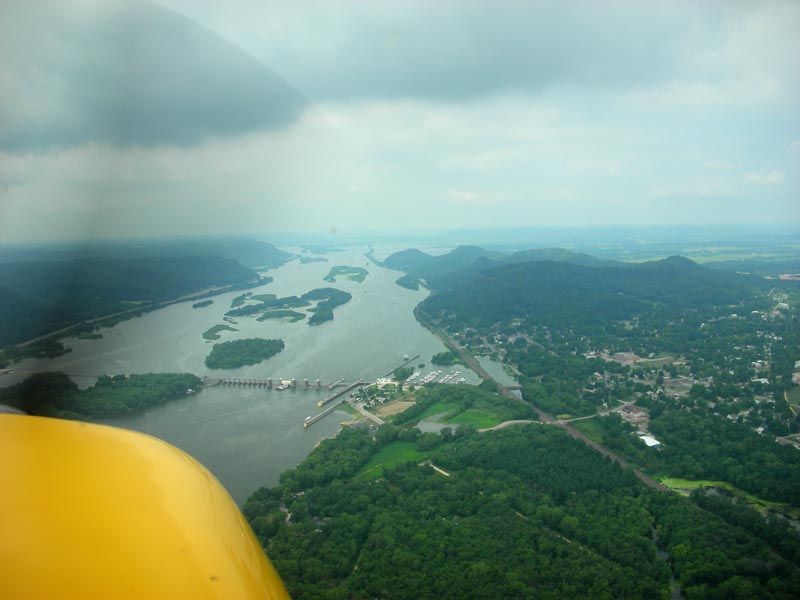
The mighty Mississippi River. This picture can't be taken too far from AFHMN's very own Twin Cities.


On the way back: Devils Tower.


And of course, what cross-country aerial adventure would be complete without a fly-over of Mount Rushmore? What an amazing photograph!

See the whole trip here, and have a great weekend!

Thursday, September 28

Friday Photography | Chernobyl Tourism


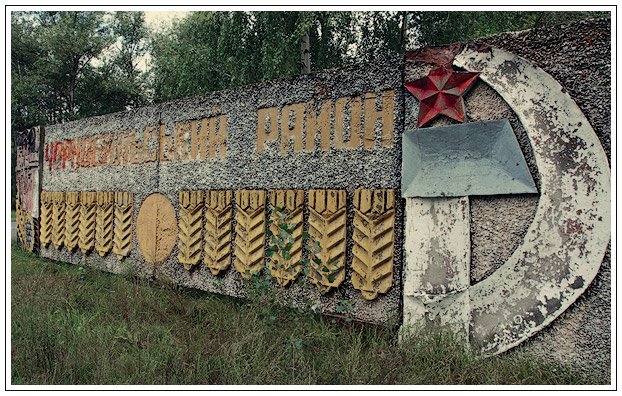
These gates mark the entrance to Chernobyl county.

The worst accident in the history of nuclear power occurred at 1:23am on April 26th, 1986. The evacuation and resettlement of over 336,000 people throughout large areas of Ukraine, Belarus, and Russia followed the event. Ground zero, the now radioactive city of Prypiat (home of the Chernobyl Nuclear Power Plant), has sat "officially" vacant until recently.

In stark contrast to another type of power plant tourism we featured last May, you can now take guided tours of the Chernobyl disaster area. The tour itinerary makes for some interesting reading:

9:00 Depart Kyiv. Two-hour ride northwards to the border of the "exclusion zone". The area is 214 km in perimeter.

11:00 - 14:00 Pass the checkpoint "Dytyatky" and enter the "exclusion zone". Visit to the site of Chernobyl Nuclear Power Plant - an enterprise once employed more than 5000 staff. Observe object "Sarcophagus" - concrete and steel shelter covering radioactive masses and debris left after the explosion. Experience the peace and quiet of the ghost-town Prypyat - all 47.500 inhabitants had to abandon their homes the next day after the accident. Explore the deserted apartment blocks, schools, hotels, kinder gardens.

14:00 - 14:30 Lunch (the quality of food is guaranteed).

14:30 - 15:00 A briefing conducted by a specialist of the governmental agency "Chernobylinterinform". Get answers to your questions about the accident, current ecological situation and the future of the exclusion zone.

15:00 - 17:00 Visit to the site of contaminated vehicles. Thousands of tracks, helicopters, armoured personnel vehicles are so soaked with radiation that it is dangerous to approach. Meet the self-settlers, elderly people living in the exclusion zone.

17:00 Leave the exclusion zone.

19:00 Arrive Kyiv


Alexandr Vikulov recently took one such tour and has made some of his fascinating photographs available here.


A totally abandoned city. All the trees you see are new growth since 1986: a radioactive urban forest.


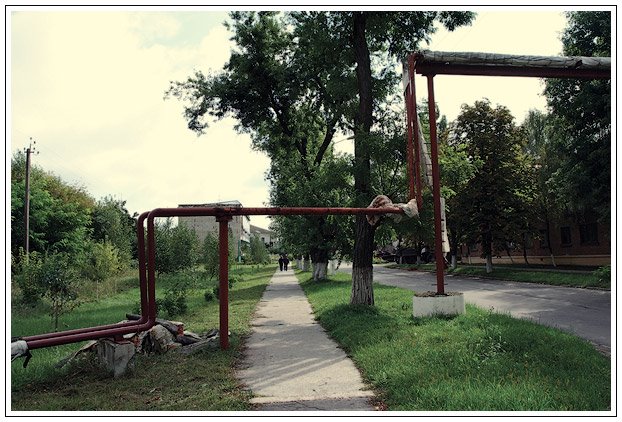
All new pipes run above ground as the soil is so contaminated.


This artwork began appearing some time after the disaster. It appears all over the city. Artistic remnants from the cities first post-radiation tourists.

See the whole set here.
Read more about guided tours of Chernobyl here.
Read more about the hauntingly beautiful Prypiat street art at Wooster Collective and at Wormwood Forest.

Related Posts:
The Evolution of Eco-Tourism?

AlertMap: Real-time Disaster Events


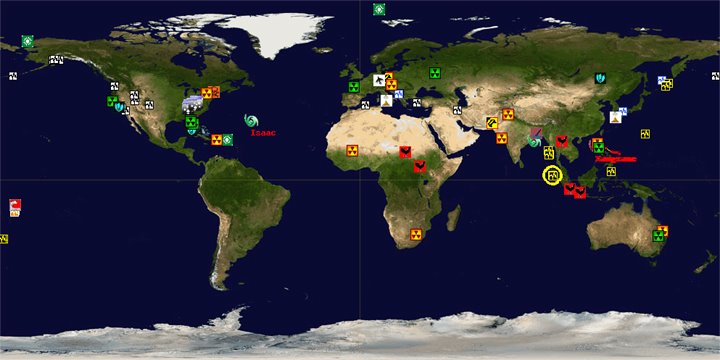
"The Havaria Emergency and Disaster Information Services in Budapest Hungary, uses Google Maps to offer a real-time interactive display of the world's ongoing disasters, with clickable descriptions, coordinates, damage levels." - Bryon Finoki via Archinect via Smart Mobs via information aesthetics

Everything from forest fires on the Inner Mongolia Autonomous Region to a chemical spill that happened yesterday in Massachusetts. Also covering: biological hazards, epidemic hazards, earthquakes, tropical storm systems, tornados, hails, airplane accidents & incidents, & active vulcanoes.

Link to AlertMap here.

Friday, September 1

Friday Photography | Libraries

And now for something completely different.

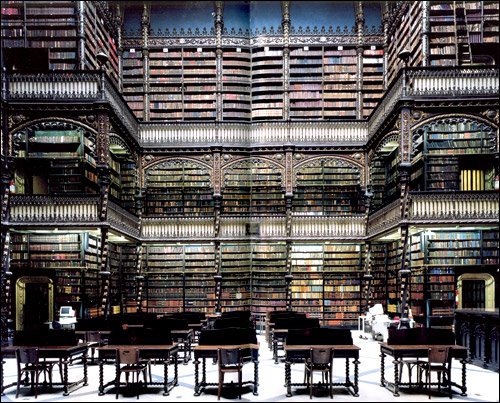
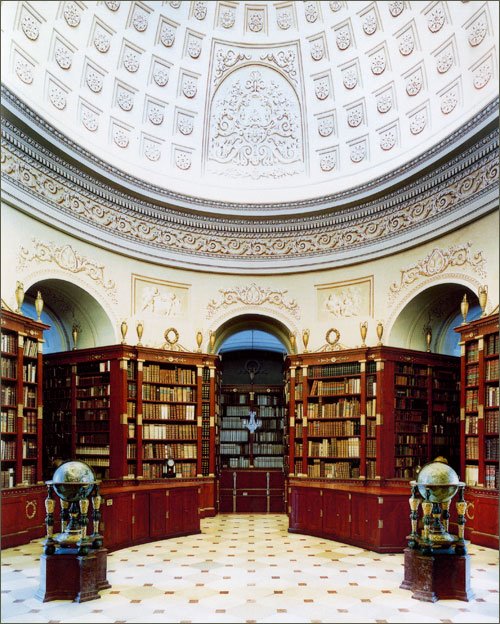
These beautiful shots of libraries from all over the world are by Candida Hofer, a German born photographer. The images you see below are actually just scans from her book, aptly titled Libraries, taken by JMorrison over at thenonist.com.


To see more images like those above, click here.

To read a bit more about the book and possibly purchase a copy for yourself, click here.

And to see more of the photographer's work, click here.

Happy Friday!

Wednesday, August 23

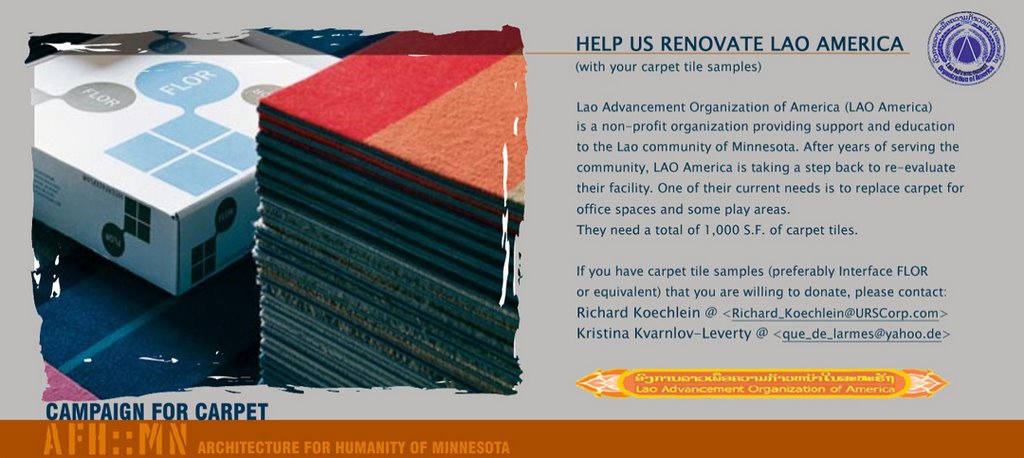
LAO America Update | CAMPAIGN FOR CARPET

About a month ago we held a charrette to help a local non-profit, Lao America, look into renovation possibilities. (Read more about that charrette here.) While investigating their community center for immediate areas of improvement it became clear that the children's library and play area could desperately use carpeting.

To help them get started we are asking architects and designers who might have access to outdated carpet tile samples to donate them to the cause. Too often architecture firms end up throwing out valuable material samples that might be able to find a second life being put to good use.

If you think you might be able to help, please click on the image below for more details.


If not, just keep re-use in mind next time you're cleaning out the sample room :)

Tsunami Recovery in Thailand | Part 10: FRUSTRATION OVER AID

(Part 10 of a 12 part series)

Five weeks after the Tsunami hit, Sishir Chang went to Thailand to see how the people there were recovering and to see how those concerned could help. The following is the tenth installment of his experiences in the aftermath of one of the world'’s most devastating natural disasters. Originally published in the Southasian, the article is being republished here, with previously unpublished photographs, with the author's permission.
___

Part 10: FRUSTRATION OVER AID


Italian volunteers from the organization New Acropolis

One of the most frequent complaints I heard about was the slow and frustrating pace of aid. There’s been such a huge outpouring of aid yet many average Thais don’t feel that much of that has gotten down to them. Many people coming out to help also feel frustrated by the bureaucracy and pace of aid. All of the aid workers that I’d spoken to had bypassed the major relief agencies and governments to come and deliver aid or volunteer themselves.

At Khao Lak one resort had set up its own tsunami volunteer aid center staffed by people who had showed up on their own to help. According to the aid center’s spokesperson Sophie Konnaris, all of them are volunteers who have come on their own money and time with very few having training or experience in dealing with disasters. In other cases individual towns in western countries have raised money to send volunteers. Duane Reid and George Thomson, volunteer paramedics, were sponsored by their hometown of Emerald, Queensland in Australia to come and help. While the town of Inverell in New South Wales, Australia had adopted the village of Bang Niang. There Rosemay Breen and Anna Thivakon brought with them aid and resources to help rebuild the village that had been wiped out by the tsunami. In a true example of ad hoc aid they enlisted a group of Italians from the organization Nuovo Akropoli (New Acropolis) who had showed up on their own accord at one of the refugee camps to see where they could help out. There they met Rosemary and Anna who quickly put them to work on rebuilding houses in Bang Niang.


A Khao Lak resort turned impromptu aid center

Frequent visitors and tourists to Phuket have also been bringing aid apart from official channels. I met the Grimm family in Kamala where the mixed Australian and German family had been having reunions for years. They had planned this year’s reunion well in advance of the tsunami but had had some trepidation about whether to come after the tsunami. As one member of the family put it, “Some of our friends thought it was disgusting to see people sunbathing where people had died.” After emailing people they knew in Thailand who told them to come they went ahead. For them this trip has turned into more of an aid mission than a vacation because they brought with them funds they had raised at home to distribute to people they knew in Kamala. Many of these funds were raised from people who lived in their home countries but who they had met in Kamala. On the day I met them they were there to see if the locals they knew had survived the tsunami. Unfortunately the resort they usually stayed at had been damaged by the tsunami and they had to stay at another beach.


Rebuilding the temple in Kamala

Other examples of ad hoc aid coming to the region was in the rebuilding of the temple and school in Kamala by the Grand Lodge of Western Australia and the Thai Rotary Club. Also in Kamala the Thai Rotary Club is helping fishermen get new boats. Sia, a Kamala resident, had owned four houses and a restaurant and laundry business with her family, which had been destroyed along with her sister and niece killed. She has since started reconstruction with aid donated by old customers from Europe. While I ate lunch in her makeshift restaurant she proudly showed off the construction work being done and pictures of the German who donated the money to buy the concrete. According to Sia it doesn’t do much good to give money to the Thai government or major aid groups but its better to bring it directly to the people.

Friday, August 18

AFHMN Project | LAO America Community Center


The LAO America Facility.

The Lao Advancement Organization of America (LAO America) is a non profit organization based in Minneapolis, Minnesota whose core mission is to “give local Lao families the tools they need to succeed in their new homeland. They have been helping the Laotian community foster education, employment, and economic opportunities since 1988.

After years of serving the community, they decided it was time to take a step back and re-evaluate their facility. They got in touch with AFHMN, and after a few initial visits to the building, we held a charrette.
The goal of the charrette was to break up the rather daunting task of building renovation into managable chunks of information for LAO America to digest and take action on.


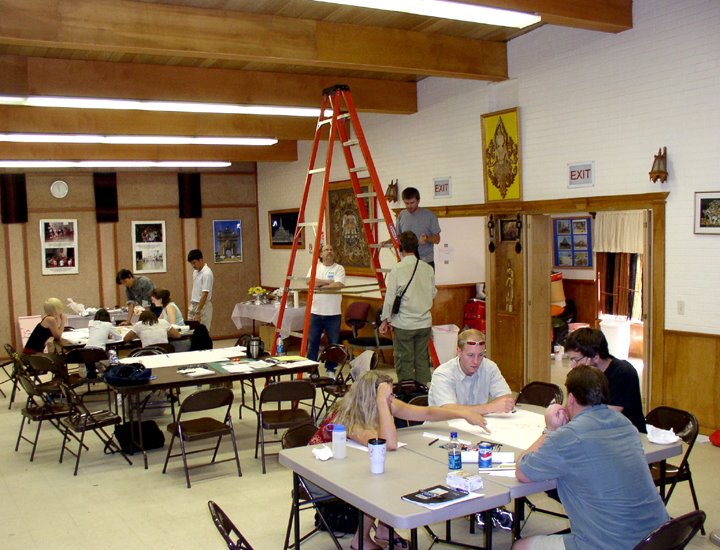
Charrette participants hard at work in the main hall.

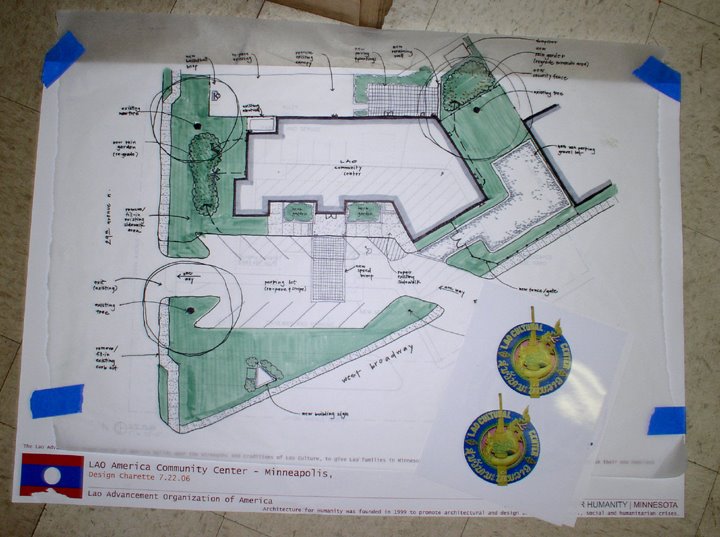
On the morning of Saturday, July 22, members of Architecture for Humanity Minnesota and local designers, builders, and students interested in helping met at the LAO Cultural Center for a design charrette focused on improvements to the group's existing building and site. Participants divided into four groups to focus on specific design issues: site, exterior building, interior building, and sustainability. After a morning of working and discussion with several LAO America community members, everyone shared a meal of traditional Laotian food, and the four teams presented their drawings and ideas.


A site plan, one of many drawings produced for LAO America.

Todd Melby of KFAI Radio spent the morning with us, documenting the charrette process. You can hear the show as part of of the podcast "Building Minnesota" here.

We'd like to thank everybody who came to volunteer at the charrette, including LAO America for inviting us, and Todd Melby for taking some time to help more people see, or rather... hear, AFHMN in action.

LAO America project updates to come as they happen.

Friday, July 21

Teddy Cruz & Trans-Border Urbanism


Don't miss Teddy Cruz, who we wrote about back in March, talking about his observations on trans-border urbanism on Architecture Radio.

"Inspired by his studio's location at the border between San Diego, California and Tijuana, Mexico, Cruz's work explores the uniqueness of this bicultural territory. Cruz's work integrates research, theory, and design production to create architecture, interiors, furniture, installations, public art, and landscape interventions. Over the past decade, Cruz has demonstrated a commitment to finding architectural and urban planning solutions for global political and social problems that proliferate in international border zones. Taking his theoretical frame of reference as a starting point, Cruz has pursued investigations that stimulate an unconventional practice addressing the future of "divided" cities and the larger phenomenon of border zones." [Architecture Radio]

Teddy talks about the issues of trans-border urbanism with clarity, insight, and humor. This lecture is a great primer for anyone interested in the subject.

More Information:
Teddy Cruz on Architecture Radio
Border Postcard: Chronicles from the Edge by Teddy Cruz
Cruz Finding New Solutions for Border Living, Architectural Record
Urban Acupuncture, Residential Architect

Related Posts:

Growing Securtiy, or ... Park as Wall
Friday Photography Border Film Project
Friday Photography Sprawl
Shantytowns as New Sub/ Urban Ideal

Friday Photography | Shanghai's Shikumen

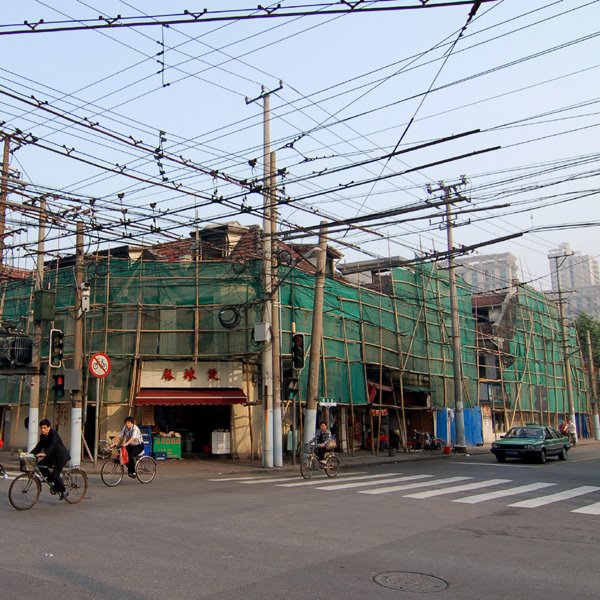
Ted Kane has an interesting gallery at Polar Inertia documenting a soon to be extinct urban housing typology, the Shikumen.


You could think of each Shikumen development like a large city block, the streets around it support pedestrian, bicycle, and auto circulation. From this vantage point, the structure presents itself as a solid mass with openings facing the street usually programmed for commerce. [img: Ted Kane]

"Sometimes referred to as a Lilong development, the Shikumen is a uniquely Shanghai typology that formed during a period of rapid urbanization and increased westernization, resulting in a hybrid of the British row house with the Chinese traditional courtyard house." [Polar Inertia]


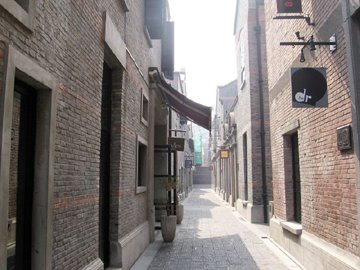
Narrow pedestrian alleys, like the one above, organize the solid mass into smaller "blocks". [img: Ted Kane]

The Shikumen are falling victim to raised property values and the Chinese government's desire to stimulate economic growth. Residents are being bought out and relocated into monolithic residential towers similar to ones featured on BLYGAD a couple of weeks ago. Demolished Shikumen are being replaced with western style high-rise commercial developments and condominium towers.


Each alley is lined with residences, much like the British Row House. The name Shikumen is derived by the stone gate entries seen above. Each stone gate leads to a residential courtyard and then to a corresponding residence. [img: Ted Kane]

Compare Ted's photograph above of a delapidated, soon to be demolished, Shikumen pedestrian lane to the similar shot below of a recently renovated Shikumen development.


[img: Wikipedia]

More information:
Lilong Housing, A Traditional Settlement Form, an architectural thesis by Qian Guan
Shikumen, Wikipedia Article
Shanghai, Wikipedia Article (extended information on Shikumen about halfway down)

Related Posts:
Friday Photography 100 x 100
Friday Photography China