Thursday, September 28

Friday Photography | Chernobyl Tourism
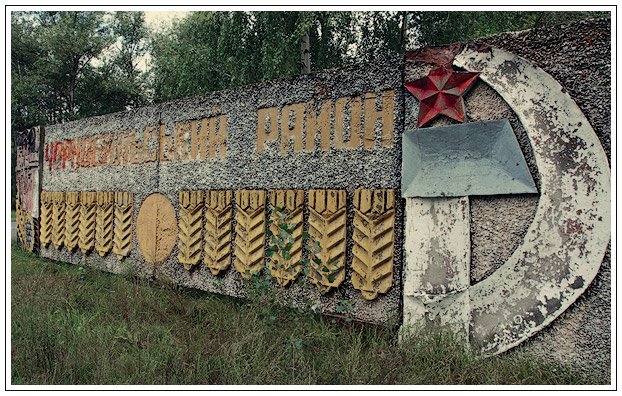

These gates mark the entrance to Chernobyl county.

The worst accident in the history of nuclear power occurred at 1:23am on April 26th, 1986. The evacuation and resettlement of over 336,000 people throughout large areas of Ukraine, Belarus, and Russia followed the event. Ground zero, the now radioactive city of Prypiat (home of the Chernobyl Nuclear Power Plant), has sat "officially" vacant until recently.

In stark contrast to another type of power plant tourism we featured last May, you can now take guided tours of the Chernobyl disaster area. The tour itinerary makes for some interesting reading:

9:00 Depart Kyiv. Two-hour ride northwards to the border of the "exclusion zone". The area is 214 km in perimeter.

11:00 - 14:00 Pass the checkpoint "Dytyatky" and enter the "exclusion zone". Visit to the site of Chernobyl Nuclear Power Plant - an enterprise once employed more than 5000 staff. Observe object "Sarcophagus" - concrete and steel shelter covering radioactive masses and debris left after the explosion. Experience the peace and quiet of the ghost-town Prypyat - all 47.500 inhabitants had to abandon their homes the next day after the accident. Explore the deserted apartment blocks, schools, hotels, kinder gardens.

14:00 - 14:30 Lunch (the quality of food is guaranteed).

14:30 - 15:00 A briefing conducted by a specialist of the governmental agency "Chernobylinterinform". Get answers to your questions about the accident, current ecological situation and the future of the exclusion zone.

15:00 - 17:00 Visit to the site of contaminated vehicles. Thousands of tracks, helicopters, armoured personnel vehicles are so soaked with radiation that it is dangerous to approach. Meet the self-settlers, elderly people living in the exclusion zone.

17:00 Leave the exclusion zone.

19:00 Arrive Kyiv


Alexandr Vikulov recently took one such tour and has made some of his fascinating photographs available here.


A totally abandoned city. All the trees you see are new growth since 1986: a radioactive urban forest.
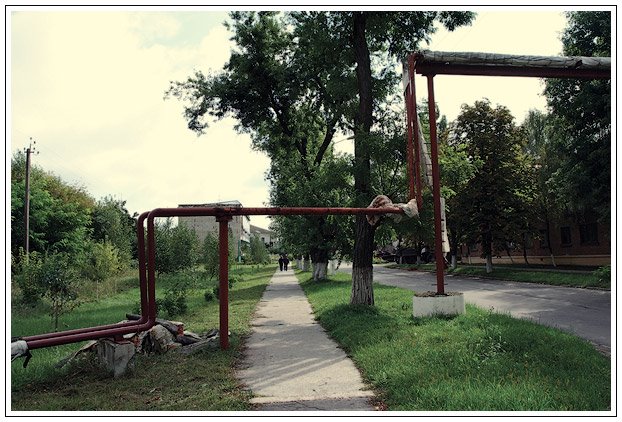

All new pipes run above ground as the soil is so contaminated.


This artwork began appearing some time after the disaster. It appears all over the city. Artistic remnants from the cities first post-radiation tourists.

See the whole set here.
Read more about guided tours of Chernobyl here.
Read more about the hauntingly beautiful Prypiat street art at Wooster Collective and at Wormwood Forest.

Related Posts:
The Evolution of Eco-Tourism?

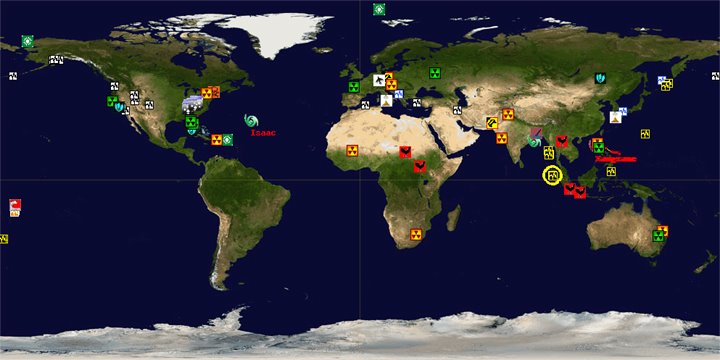
AlertMap: Real-time Disaster Events


"The Havaria Emergency and Disaster Information Services in Budapest Hungary, uses Google Maps to offer a real-time interactive display of the world's ongoing disasters, with clickable descriptions, coordinates, damage levels." - Bryon Finoki via Archinect via Smart Mobs via information aesthetics

Everything from forest fires on the Inner Mongolia Autonomous Region to a chemical spill that happened yesterday in Massachusetts. Also covering: biological hazards, epidemic hazards, earthquakes, tropical storm systems, tornados, hails, airplane accidents & incidents, & active vulcanoes.

Link to AlertMap here.

Friday, September 1

Friday Photography | Libraries

And now for something completely different.

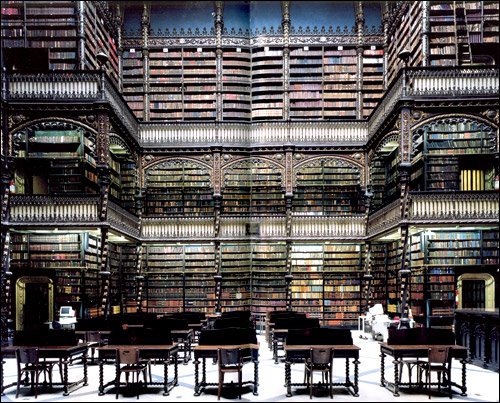
These beautiful shots of libraries from all over the world are by Candida Hofer, a German born photographer. The images you see below are actually just scans from her book, aptly titled Libraries, taken by JMorrison over at thenonist.com.


To see more images like those above, click here.

To read a bit more about the book and possibly purchase a copy for yourself, click here.

And to see more of the photographer's work, click here.

Happy Friday!

Wednesday, August 23

LAO America Update | CAMPAIGN FOR CARPET

About a month ago we held a charrette to help a local non-profit, Lao America, look into renovation possibilities. (Read more about that charrette here.) While investigating their community center for immediate areas of improvement it became clear that the children's library and play area could desperately use carpeting.

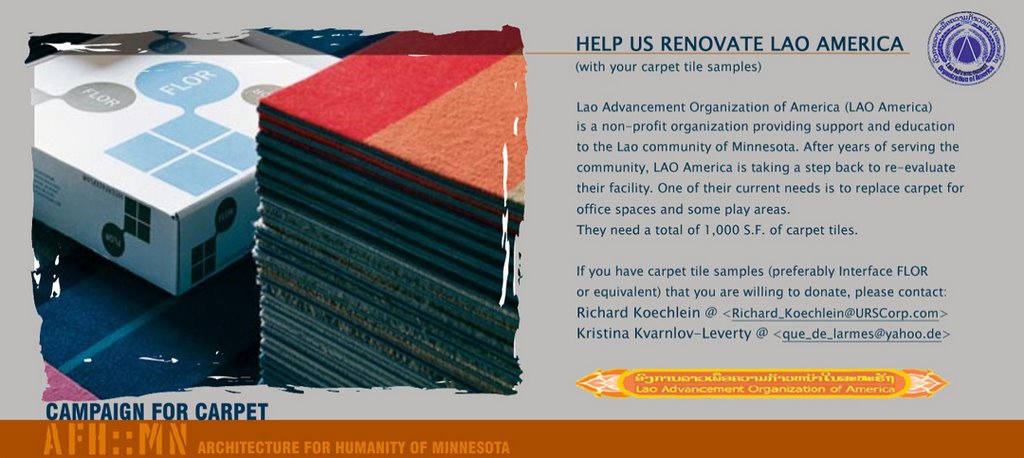
To help them get started we are asking architects and designers who might have access to outdated carpet tile samples to donate them to the cause. Too often architecture firms end up throwing out valuable material samples that might be able to find a second life being put to good use.

If you think you might be able to help, please click on the image below for more details.


If not, just keep re-use in mind next time you're cleaning out the sample room :)

Tsunami Recovery in Thailand | Part 10: FRUSTRATION OVER AID

(Part 10 of a 12 part series)

Five weeks after the Tsunami hit, Sishir Chang went to Thailand to see how the people there were recovering and to see how those concerned could help. The following is the tenth installment of his experiences in the aftermath of one of the world'’s most devastating natural disasters. Originally published in the Southasian, the article is being republished here, with previously unpublished photographs, with the author's permission.
___

Part 10: FRUSTRATION OVER AID


Italian volunteers from the organization New Acropolis

One of the most frequent complaints I heard about was the slow and frustrating pace of aid. There’s been such a huge outpouring of aid yet many average Thais don’t feel that much of that has gotten down to them. Many people coming out to help also feel frustrated by the bureaucracy and pace of aid. All of the aid workers that I’d spoken to had bypassed the major relief agencies and governments to come and deliver aid or volunteer themselves.

At Khao Lak one resort had set up its own tsunami volunteer aid center staffed by people who had showed up on their own to help. According to the aid center’s spokesperson Sophie Konnaris, all of them are volunteers who have come on their own money and time with very few having training or experience in dealing with disasters. In other cases individual towns in western countries have raised money to send volunteers. Duane Reid and George Thomson, volunteer paramedics, were sponsored by their hometown of Emerald, Queensland in Australia to come and help. While the town of Inverell in New South Wales, Australia had adopted the village of Bang Niang. There Rosemay Breen and Anna Thivakon brought with them aid and resources to help rebuild the village that had been wiped out by the tsunami. In a true example of ad hoc aid they enlisted a group of Italians from the organization Nuovo Akropoli (New Acropolis) who had showed up on their own accord at one of the refugee camps to see where they could help out. There they met Rosemary and Anna who quickly put them to work on rebuilding houses in Bang Niang.


A Khao Lak resort turned impromptu aid center

Frequent visitors and tourists to Phuket have also been bringing aid apart from official channels. I met the Grimm family in Kamala where the mixed Australian and German family had been having reunions for years. They had planned this year’s reunion well in advance of the tsunami but had had some trepidation about whether to come after the tsunami. As one member of the family put it, “Some of our friends thought it was disgusting to see people sunbathing where people had died.” After emailing people they knew in Thailand who told them to come they went ahead. For them this trip has turned into more of an aid mission than a vacation because they brought with them funds they had raised at home to distribute to people they knew in Kamala. Many of these funds were raised from people who lived in their home countries but who they had met in Kamala. On the day I met them they were there to see if the locals they knew had survived the tsunami. Unfortunately the resort they usually stayed at had been damaged by the tsunami and they had to stay at another beach.


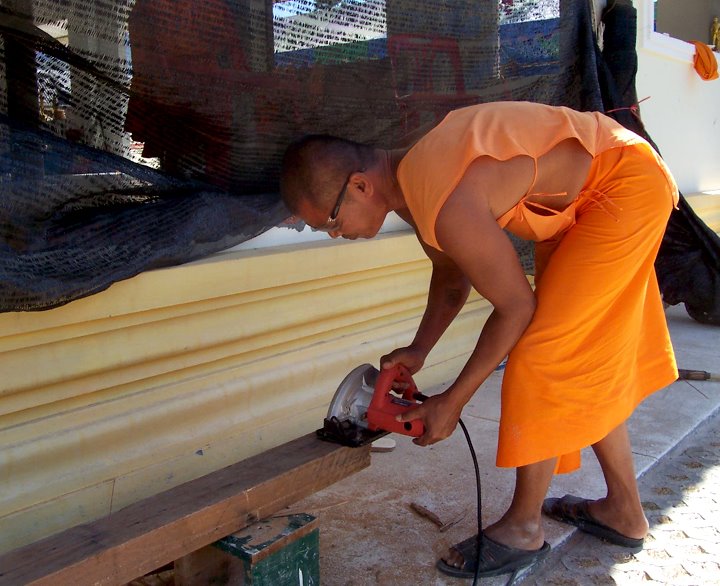
Rebuilding the temple in Kamala

Other examples of ad hoc aid coming to the region was in the rebuilding of the temple and school in Kamala by the Grand Lodge of Western Australia and the Thai Rotary Club. Also in Kamala the Thai Rotary Club is helping fishermen get new boats. Sia, a Kamala resident, had owned four houses and a restaurant and laundry business with her family, which had been destroyed along with her sister and niece killed. She has since started reconstruction with aid donated by old customers from Europe. While I ate lunch in her makeshift restaurant she proudly showed off the construction work being done and pictures of the German who donated the money to buy the concrete. According to Sia it doesn’t do much good to give money to the Thai government or major aid groups but its better to bring it directly to the people.

Friday, August 18

AFHMN Project | LAO America Community Center


The LAO America Facility.

The Lao Advancement Organization of America (LAO America) is a non profit organization based in Minneapolis, Minnesota whose core mission is to “give local Lao families the tools they need to succeed in their new homeland. They have been helping the Laotian community foster education, employment, and economic opportunities since 1988.

After years of serving the community, they decided it was time to take a step back and re-evaluate their facility. They got in touch with AFHMN, and after a few initial visits to the building, we held a charrette.
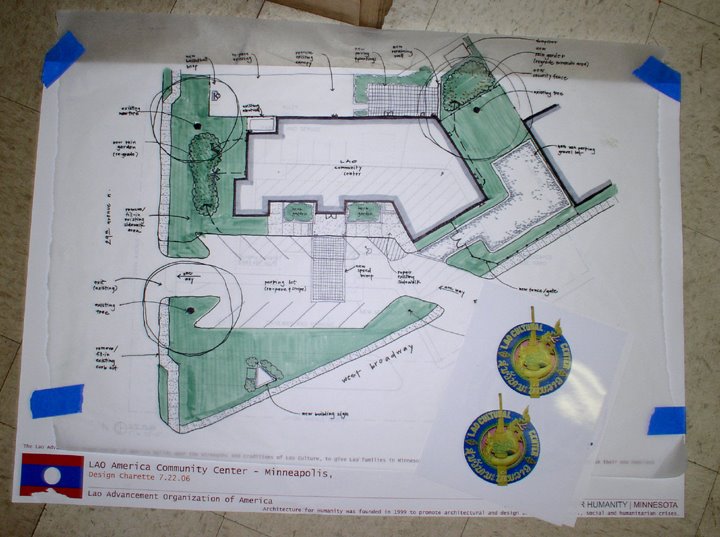
The goal of the charrette was to break up the rather daunting task of building renovation into managable chunks of information for LAO America to digest and take action on.


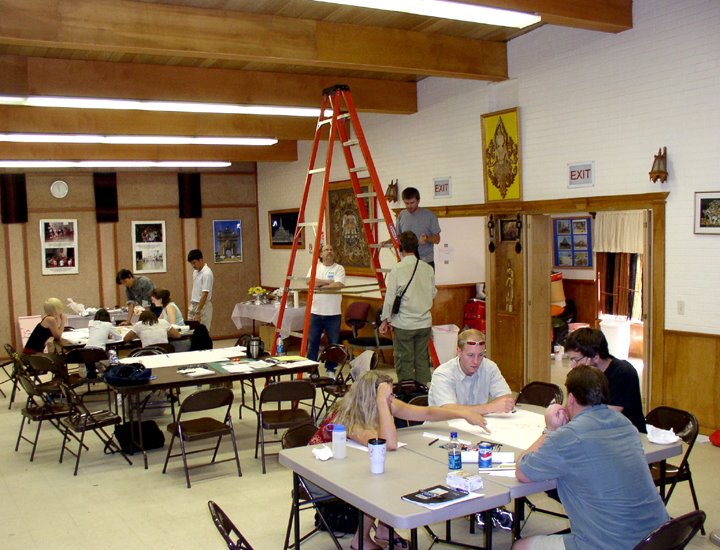
Charrette participants hard at work in the main hall.

On the morning of Saturday, July 22, members of Architecture for Humanity Minnesota and local designers, builders, and students interested in helping met at the LAO Cultural Center for a design charrette focused on improvements to the group's existing building and site. Participants divided into four groups to focus on specific design issues: site, exterior building, interior building, and sustainability. After a morning of working and discussion with several LAO America community members, everyone shared a meal of traditional Laotian food, and the four teams presented their drawings and ideas.


A site plan, one of many drawings produced for LAO America.

Todd Melby of KFAI Radio spent the morning with us, documenting the charrette process. You can hear the show as part of of the podcast "Building Minnesota" here.

We'd like to thank everybody who came to volunteer at the charrette, including LAO America for inviting us, and Todd Melby for taking some time to help more people see, or rather... hear, AFHMN in action.

LAO America project updates to come as they happen.

Friday, July 21

Teddy Cruz & Trans-Border Urbanism


Don't miss Teddy Cruz, who we wrote about back in March, talking about his observations on trans-border urbanism on Architecture Radio.

"Inspired by his studio's location at the border between San Diego, California and Tijuana, Mexico, Cruz's work explores the uniqueness of this bicultural territory. Cruz's work integrates research, theory, and design production to create architecture, interiors, furniture, installations, public art, and landscape interventions. Over the past decade, Cruz has demonstrated a commitment to finding architectural and urban planning solutions for global political and social problems that proliferate in international border zones. Taking his theoretical frame of reference as a starting point, Cruz has pursued investigations that stimulate an unconventional practice addressing the future of "divided" cities and the larger phenomenon of border zones." [Architecture Radio]

Teddy talks about the issues of trans-border urbanism with clarity, insight, and humor. This lecture is a great primer for anyone interested in the subject.

More Information:
Teddy Cruz on Architecture Radio
Border Postcard: Chronicles from the Edge by Teddy Cruz
Cruz Finding New Solutions for Border Living, Architectural Record
Urban Acupuncture, Residential Architect

Related Posts:

Growing Securtiy, or ... Park as Wall
Friday Photography Border Film Project
Friday Photography Sprawl
Shantytowns as New Sub/ Urban Ideal

Friday Photography | Shanghai's Shikumen

Ted Kane has an interesting gallery at Polar Inertia documenting a soon to be extinct urban housing typology, the Shikumen.


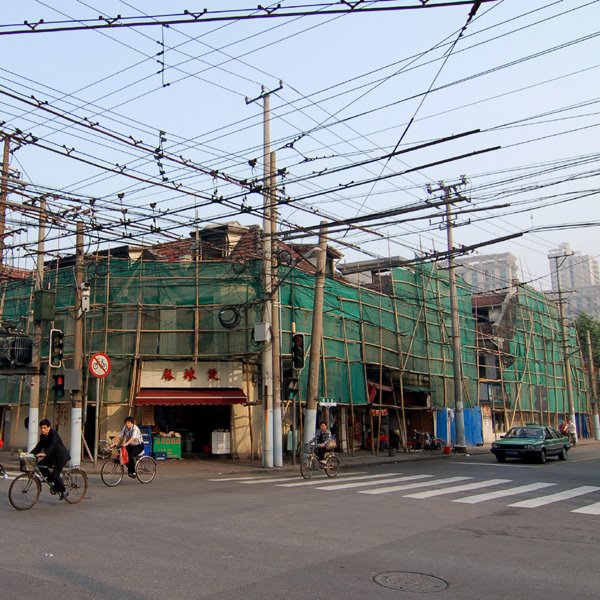
You could think of each Shikumen development like a large city block, the streets around it support pedestrian, bicycle, and auto circulation. From this vantage point, the structure presents itself as a solid mass with openings facing the street usually programmed for commerce. [img: Ted Kane]

"Sometimes referred to as a Lilong development, the Shikumen is a uniquely Shanghai typology that formed during a period of rapid urbanization and increased westernization, resulting in a hybrid of the British row house with the Chinese traditional courtyard house." [Polar Inertia]


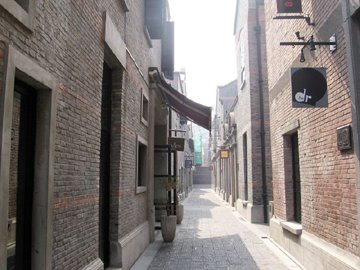
Narrow pedestrian alleys, like the one above, organize the solid mass into smaller "blocks". [img: Ted Kane]

The Shikumen are falling victim to raised property values and the Chinese government's desire to stimulate economic growth. Residents are being bought out and relocated into monolithic residential towers similar to ones featured on BLYGAD a couple of weeks ago. Demolished Shikumen are being replaced with western style high-rise commercial developments and condominium towers.


Each alley is lined with residences, much like the British Row House. The name Shikumen is derived by the stone gate entries seen above. Each stone gate leads to a residential courtyard and then to a corresponding residence. [img: Ted Kane]

Compare Ted's photograph above of a delapidated, soon to be demolished, Shikumen pedestrian lane to the similar shot below of a recently renovated Shikumen development.


[img: Wikipedia]

More information:
Lilong Housing, A Traditional Settlement Form, an architectural thesis by Qian Guan
Shikumen, Wikipedia Article
Shanghai, Wikipedia Article (extended information on Shikumen about halfway down)

Related Posts:
Friday Photography 100 x 100
Friday Photography China

Wednesday, June 28

Slum Dwellers International: Urbanism From the People Up

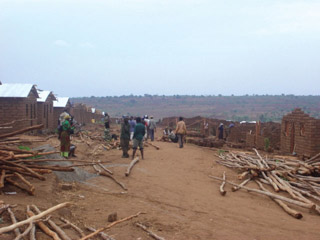
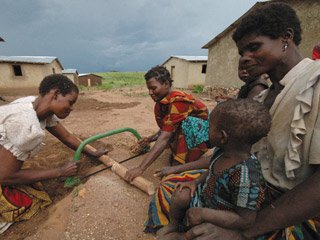
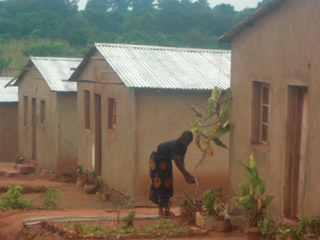
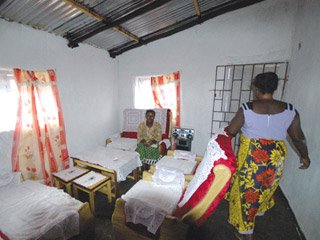
I was ecstatic to find this heartening photo story of the creation, from the ground up, of a replacement village for slums in Lilongwe, the capital city of Malawi. The community was organized through an international super group of federations called Slum Dwellers International.

Selected photo's and their captions:


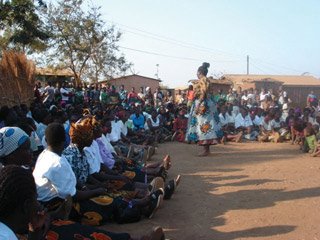
Preparatory meetings


We are all Architects on the ground


We will smile like this for our real houses


Celebrations during the Ground Breaking Ceremony


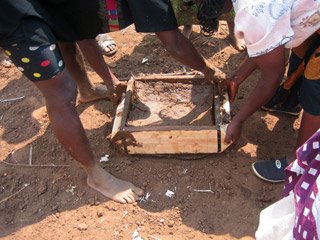
The first brick


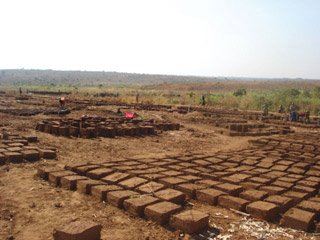
Adobe Everywhere


Look at our first house coming up


A hub of employment creation


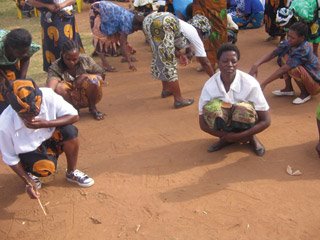
Women power


Home Finally


In the lounge


Future architects

See the whole photo story here.

SDI has built a combined total of 80,000 new homes in countries like South Africa, India, Thailand, Cambodia, & the Philippines.

They do so without help from the United Nations, the IMF, or the World Bank. They do so by empowering people. This is urbanism from the people up. It can be done.


More information about Slum Dwellers International:
Slum Dwellers International (SDI) is a loose network of people's organisations from an increasing number of countries in the [Global] South. The network is made up of Federations of community organisations and other grassroots initiatives that are in the process of developing Federations. Linked to this network is a group of professionals who are committed to supporting Federations of the urban poor.

The SDI affiliates in twenty-three countries have come together to give a voice to the poor in an arena of decision-making that has, in recent years, been confined to global organisations that champion neo-liberal theories of development.

As a counterpoint to these agencies, social movements (such as the women's and environmental movements) have emerged. They see themselves as opponents of centralised state power, backed by these global agencies - the United Nations, the International Monetary Fund and the World Bank.

Then there has been a plethora (now diminishing) of organisations in civil society who have mobilised poor individuals, mainly through micro-finance, to help poor people improve their individual standards of living as a means of adapting to the reality created by the alliance of power between multi-laterals and national governments.

SDI affiliates are attempting to pioneer an alternative route to the two that are mentioned above.

Monday, June 12

Growing Security, or... Park as Wall

I'm a little late to this one, but it's too interesting to not post:

Mexico to grow 'green wall' along U.S. border - MSNBC

"MEXICO CITY - Mexico is creating an environmental reserve about 30 feet wide and 600 miles long on the Texas border, a “green wall” to protect the Rio Grande from the roads and staging areas that smugglers use to ferry drugs and migrants across the frontier.

Much of this border zone is remote and inhospitable — generally too rough to hike through unless you’re a black bear or a pronghorn sheep, species that have flourished in the area’s deserts and mountains..."


Related Posts:

Friday Photography Border Film Project
Border Stability: One Home at a Time

Tsunami Recovery in Thailand | Part 9: TSUNAMI TOURISM

(Part 9 of a 12 part series)

Five weeks after the Tsunami hit, Sishir Chang went to Thailand to see how the people there were recovering and to see how those concerned could help. The following is the ninth installment of his experiences in the aftermath of one of the world'’s most devastating natural disasters. Originally published in the Southasian, the article is being republished here, with previously unpublished photographs, with the author's permission.
___

Part 7: TSUNAMI TOURISM


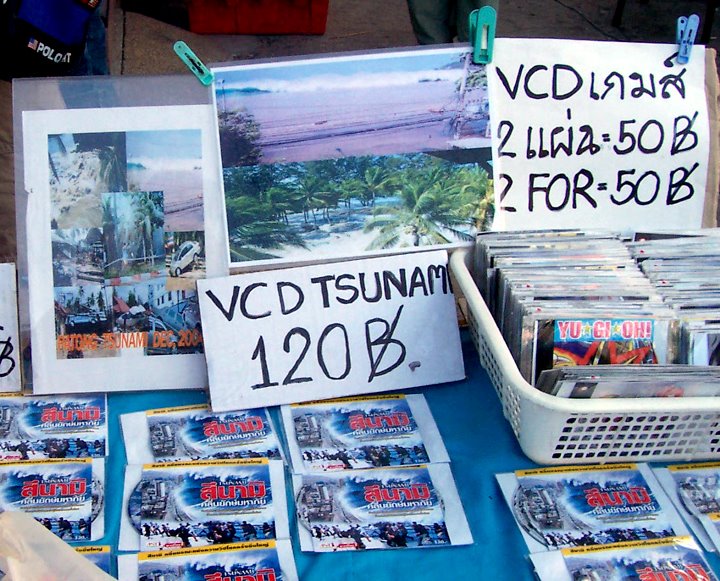
With so much attention being paid to the tsunami many of the Thais sought to capitalize on it. At many souvenir stalls there were tsunami VCD’s and DVD’s for sale while T-shirt shops sold tsunami t-shirts featuring the Hokusai woodblock print of The Wave. At some places they offered to sell pictures from the tsunami such as of a man running away from a wave breaking through the tops of palm trees, a car on top of a building and piles of debris and bodies washing up along a beach. On the ride in from the airport my driver even offered me a tsunami day package to go see the worst hit place by the tsunami. He even added that lunch and shopping stops would be included.

While it seems crass to commercially take advantage of the tsunami, the residents of Phuket are suffering very much economically because of it. Several Thais that I spoke to said they’re getting very little aid from the government or from major relief agencies. Maem a cabana vendor in Patong was typical, her business had been wiped out in the tsunami and since then she had only received 2,000 Baht (around $50) from the government and nothing from aid organizations. The most aid she had received was 200 Euros from a German for saving his life. Vhola Nathku, an Indian tailor, was rebuilding his store with insurance money but had received nothing from the government, both Thai and Indian. He also said that practically all of the reconstruction being done in Patong was from insurance. A few other Indian tailors I spoke to couldn’t even count on insurance and they called themselves “tsunami refugees” since they had no livelihood after their shop was destroyed and were left hoping to find some other work. The desperation brought on by the tsunami had caused some businesses to include a direct appeal to aid to potential customers like a sign at a massage parlor that said, “Massage; Please to subsidize victim tsunami to pay off debts.”

Friday, May 19

Friday Photography | 100 x 100

Michael Wolf does it again: 100 x100. (Thanks for the heads up Chris.)


100 rooms, each room at 100 sqaure feet.
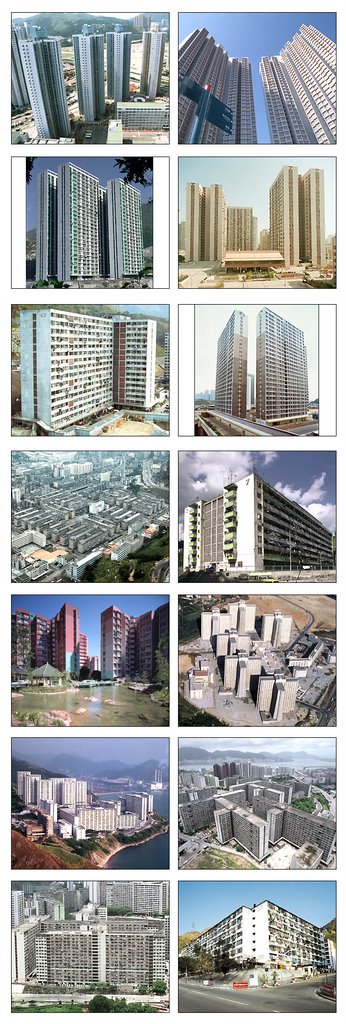
"Photographs of residents in their flats in hong kong's oldest public housing estate."


Exterior pictures of Hong Kong's public housing estates (from the Hong Kong Housing Authority):


Previously on BLYGAD: Michael Wolf - Architecture of Density

Tuesday, May 16

John Dwyer's Clean Hub

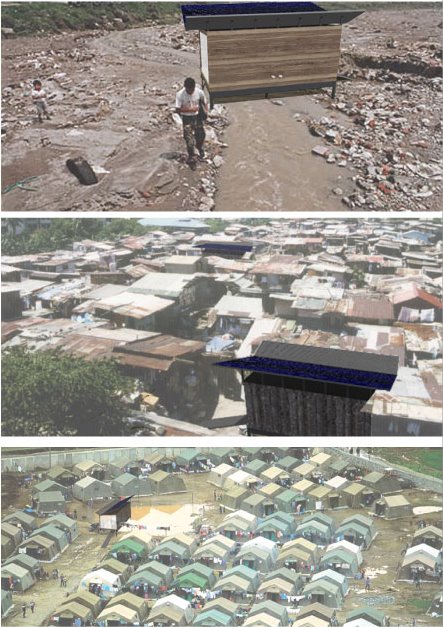
Beating us to the punch, Bryan Finoki recently profiled the Clean Hub on Subtopia. The Clean Hub, designed by AFH|MN member John Dwyer, is a self-contained and self-reliant system designed to bring clean water and sanitation to remote locations, disaster relief efforts, refugee camps, and slums.


Tsunami Recovery in Thailand | Part 8: THE RESILIENCE OF SURVIVORS

(Part 8 of a 12 part series)

Five weeks after the Tsunami hit, Sishir Chang went to Thailand to see how the people there were recovering and to see how those concerned could help. The following is the eighth installment of his experiences in the aftermath of one of the world'’s most devastating natural disasters. Originally published in the Southasian, the article is being republished here, with previously unpublished photographs, with the author's permission.
______

Part 8: THE RESILIENCE OF SURVIVORS

The resilience of those who have survived the tsunami is often astounding. Many of the foreigners who have survived and remain in Phuket are elderly and have chosen to stay because of their love of the place. Marius Poatalle a 75-year-old survivor from Monaco said that he had been washed out of the second floor of his hotel. “I pray to God, Allah, Buddha, anyone!” he said. Even after that experience he still hung out on the beach at Patong showing off the scars he got from the tsunami and haranguing people about French colonial policies in broken English. Another elderly survivor from Australian I met in a Patong nightclub had broken his hip in the tsunami yet in his words the worst thing that happened was that he “couldn’t enjoy all of the lovely Thai ladies.”

The Thais are more circumspect about surviving tsunami. Many of them feel privileged that they’ve survived. According to Maem, a cabana vendor in Patong, “My customers die but I live.” Outwardly its difficult to see if they are suffering from depression or post traumatic stress but I did hear from aid workers and a monk that there are many who are suffering but don’t show it. Aid workers say that in the refugee camps many children have nightmares about being swallowed up by waves. Duane Reid a volunteer paramedic from Australia, said that he’d seen Thais staring fixedly at the sea. Even so he stated that the Thais have dealt with the aftermath far better than he expected, “In Australia after a major disaster people are depressed but here the Thais still seem friendly and upbeat.” He added, “These people have been to hell and back its just amazing what they’ve done.”

Saturday, May 6

The Flophouse: Making an Old Idea New Again


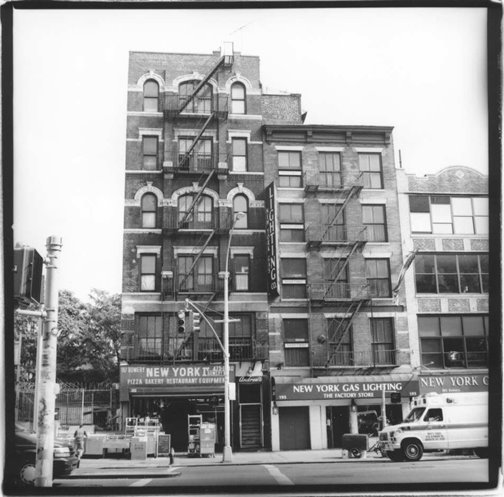
[image: Harvey Wang]

Last Sunday the New York Times put out an article by Janny Scott titled Making a Flophouse a Home, And a Decent One at That. The article is all about the Andrews House, one of the last remaining Flophouses in New York City. In 1997, Common Ground interviewed aproximately 100 homeless people, all of whom shared a disinterest in the type of housing (with built in social services and support programs) that CG was currently offering.

"Many said they wanted something small, private, safe, cheap; they wanted just enough space for themselves and their belongings. They had a little money, though not enough for an apartment. They could pay. And they wanted anonymity."

CG realized that they didn't need a new housing type, the results of the survey described a housing type that already existed in the form of the Flophouse. As usual, Wikipedia offers us a great definition of the word:

Flophouse: ... A place that offers very cheap lodging, generally by providing only minimal services. Occupants of flophouses generally share bathroom facilities and reside in very cramped quarters. The people who make use of these places are often transients, although some people will stay in flophouses for long periods of time, —years or decades. Some people who live in flophouses may be just a step above homelessness. In the late 20th century, typical cost might be about US$6 per night. A typical flophouse might advertise its services with a sign such as "Hotel for Men; Transients Welcome".

Quarters in flophouses are very small, and may resemble office cubicles more than a regular room in a hotel or apartment building. A cubicle might only have wire mesh for a ceiling.


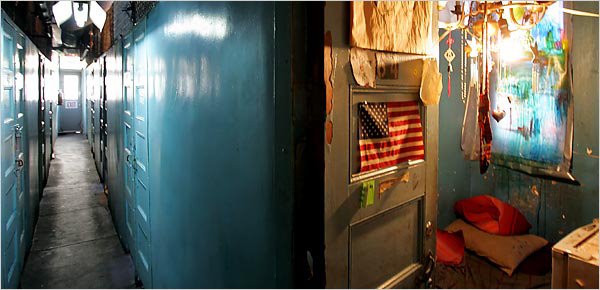
The last sentence there is of particular interest. CG was faced with the challenge of redesigning the Andrews House, a double loaded corridor style building only 17 feet wide, into something that provided viable spaces to live.


[aproximate floor plan of the Andrews House]

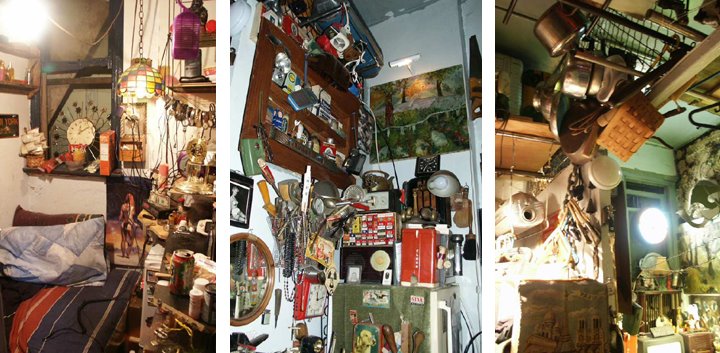
As it existed, The Andrews House was only a “home” in name. What vitality and integrity the structure retained came only from it's residents. The living cubicles, cramped and lacking sunlight, became a place for the men living there to keep and proudly display their worldly possessions. It was a place to take respite from the outside world, even if just by watching TV on the small bed, but as it was, the building was in desperate need of a makeover.


[image: inside the Andrews House, James Estrin]


[image: a corridor splits the 17' wide building]


[image: inside the cubicles, years of possessions]

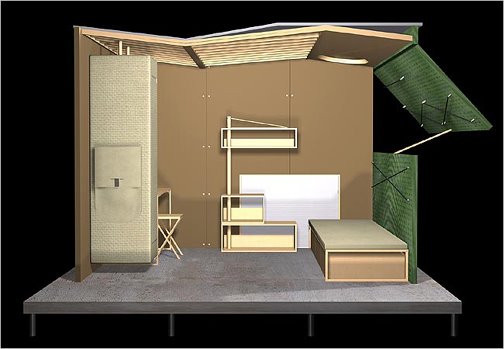
In admirable fashion, Common Ground opened up this monumental challenge to the design community with a competition. The winning entries all met the challenge to varying degrees of success and the Andrews House is currently under construction, set to open in the spring of 2007. You can see from the images below that many of the winning designs addressed at least two of the major design concerns: how to bring light into the cubicles and how to maximize the space efficiency of the tight quarters.


[image: "Kit of Parts" by LifeForm]


[image: "The Ordering of Things" by Katherine Chang & Aaron Gabriel]


[image: "Soft House" by Forsythe + MacAllen Design]


[image: "Cacoon" by Daniela Fabricius]

Further Information:
NYT video with a more in depth look into Common Ground and The Andrews House.
Flophouse: Life on the Bowery by David Isay & Stacey Abramson, with Photographs by Harvey Wang.

Friday, May 5

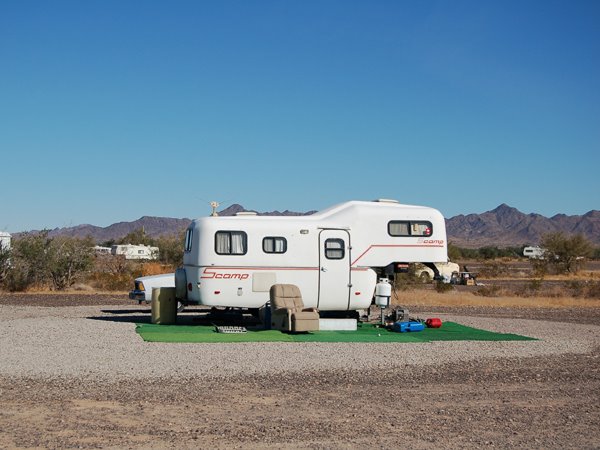
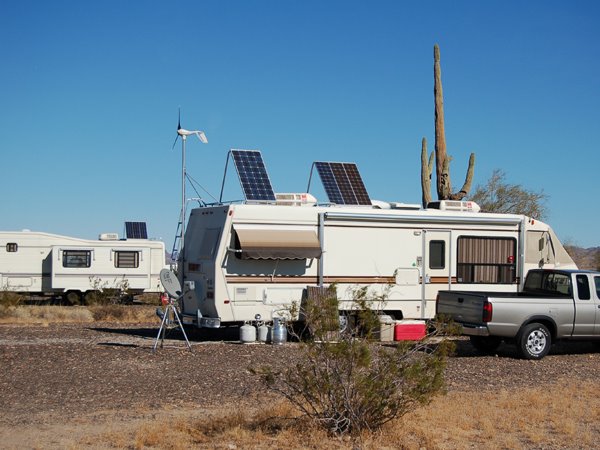
Friday Photography | Recreation Vehicle Homesteading

Recreational Vehicle: ... an enclosed piece of equipment dually used as both a vehicle and temporary travel home. (Wikipedia)

Homesteading: ... Currently the term homesteading applies to anyone who is a part of the back to the land movement and who chooses to live a sustainable, self-sufficient lifestyle. (Wikipedia)


[image: Mac Kane]


[image: Mac Kane]


[image: Mac Kane]

For more in the way of Long Term Visitor Areas (i.e., nodal points for the creation of instant cities), off-grid living, nomadic lifestyles, and freedom from property taxes, see Mac Kane's online exhibition Border Camping at Polar Inertia.